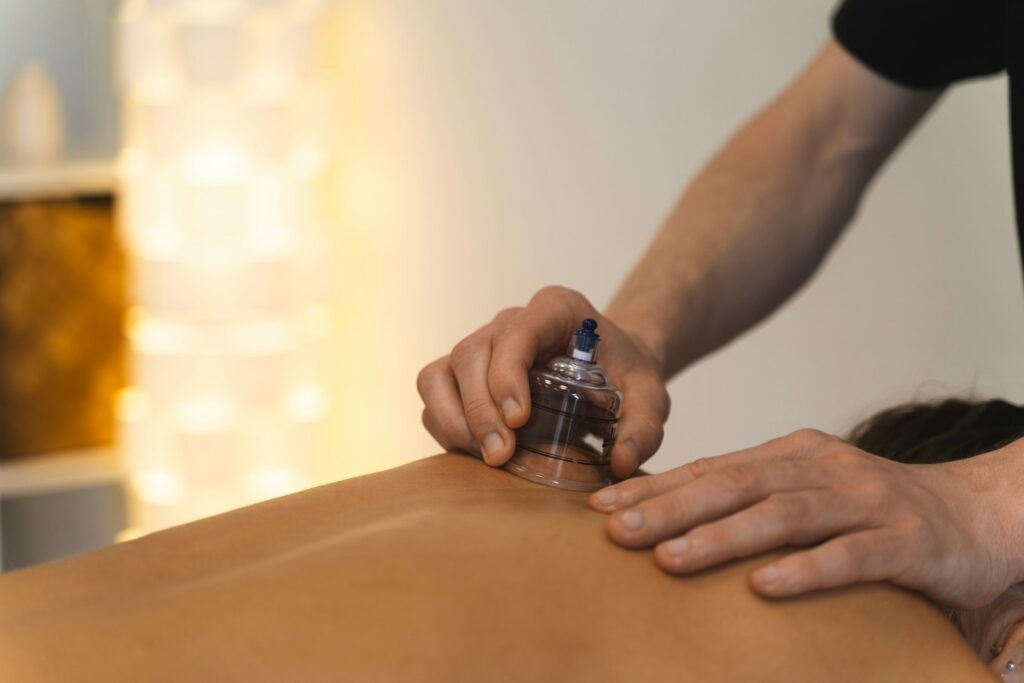
Cupping therapy, an ancient practice gaining modern traction, is generally considered safe when performed by a qualified practitioner. However, like any therapeutic treatment, it’s essential to be aware of potential cupping therapy side effects. Knowing what’s normal and what’s not can help you have a safer and more comfortable experience.
The Most Common & Expected Cupping Side Effects
The distinctive circular marks are perhaps the most well-known “side effect,” but there’s more to understand.
- **Circular Bruises/Marks
These are the hallmark of cupping. They are not true bruises but rather indications of blood flow being drawn to the surface and stagnant blood being released. The color can range from light pink to dark purple or even black, reflecting the level of stagnation. They typically fade within a few days to a week.
2. Tenderness and Soreness: The treated area may feel tender, sore, or slightly achy, similar to post-workout muscle soreness. This usually subsides within 24-48 hours.
3. Minor Discomfort or Tightness: During the session, you might feel a pulling sensation or slight discomfort as the cups create suction. After removal, some temporary tightness is normal.
4. Mild Swelling: A slight puffiness or swelling in the cupped areas can occur due to increased blood flow, and it generally resolves quickly.
5. Itchiness: As the marks heal and blood circulation improves, some people experience mild itching.
6. Lightheadedness or Dizziness: Especially during your first few sessions, or if you are sensitive, you might feel a bit lightheaded. Inform your practitioner immediately if this occurs.
7. Fatigue: Some individuals report feeling tired or run down after a session, as the body’s healing processes are activated.
When to Be Concerned: Serious (But Rare) Side Effects
While uncommon, it’s crucial to be aware of more serious side effects that require attention:
- Burns: This can happen if heated cups (used in fire cupping) are applied incorrectly or are too hot.
- Infection: Though rare with proper hygiene, infection is a risk if the skin is broken (especially with wet cupping) and not cared for correctly. Look for redness, swelling, pus, or fever.
- Excessive Bleeding: While minor bleeding or spotting can occur with wet cupping, excessive or prolonged bleeding is a concern.
- Allergic Reactions: To the oil or lotion used before cupping.
- Skin Scarring: Very rare, but possible with improper technique or if cups are left on too long or too intensely, leading to blistering.
Who Should Be Cautious or Avoid Cupping?
Certain individuals should exercise caution or avoid cupping therapy altogether:
- Pregnant women (especially on the abdomen or lower back)
- Individuals with bleeding disorders or on blood thinners
- People with severe heart disease
- Those with skin conditions like eczema, psoriasis, or open wounds in the treatment area
- People with a history of seizures or severe dizziness
Read Also: Cupping Therapy Cost: What to Expect for Your Session
Cupping therapy can be a beneficial part of a wellness routine. To minimize risks, always choose a licensed and experienced practitioner and ensure they follow strict hygiene protocols. Don’t hesitate to communicate any discomfort during the session or concerns you have about side effects afterward. Your safety and comfort are paramount!
Comments